Why Native Grasses Are the Smart Choice for Slopes and Marshlands in New England
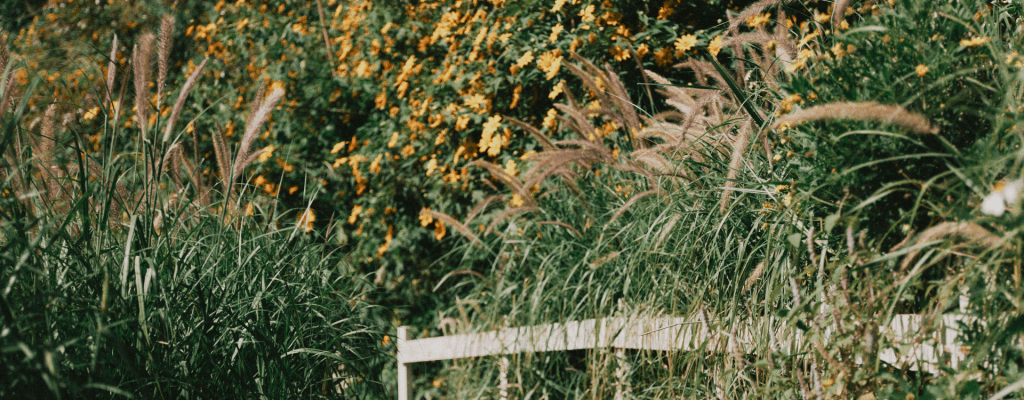
Managing steep slopes or wet, low-lying areas in your yard can be a real challenge—but native grasses may be your best solution. These plants are not only low-maintenance and beautiful, but also provide powerful ecological benefits for erosion control, wildlife support, and water filtration in New England landscapes.
Resilience and Root Strength
Native grasses like switchgrass, little bluestem, and river oats have deep root systems that stabilize soil and prevent erosion on slopes. In wet zones, their dense roots help filter runoff and improve water absorption—naturally supporting the health of nearby waterways and wetlands.
Low-Maintenance and Cost-Effective
These grasses are adapted to New England’s soil, rainfall, and temperature swings. Once established, they require little irrigation, no fertilizer, and virtually no mowing. That makes them a smart, sustainable investment for homeowners who want lasting beauty without high maintenance.
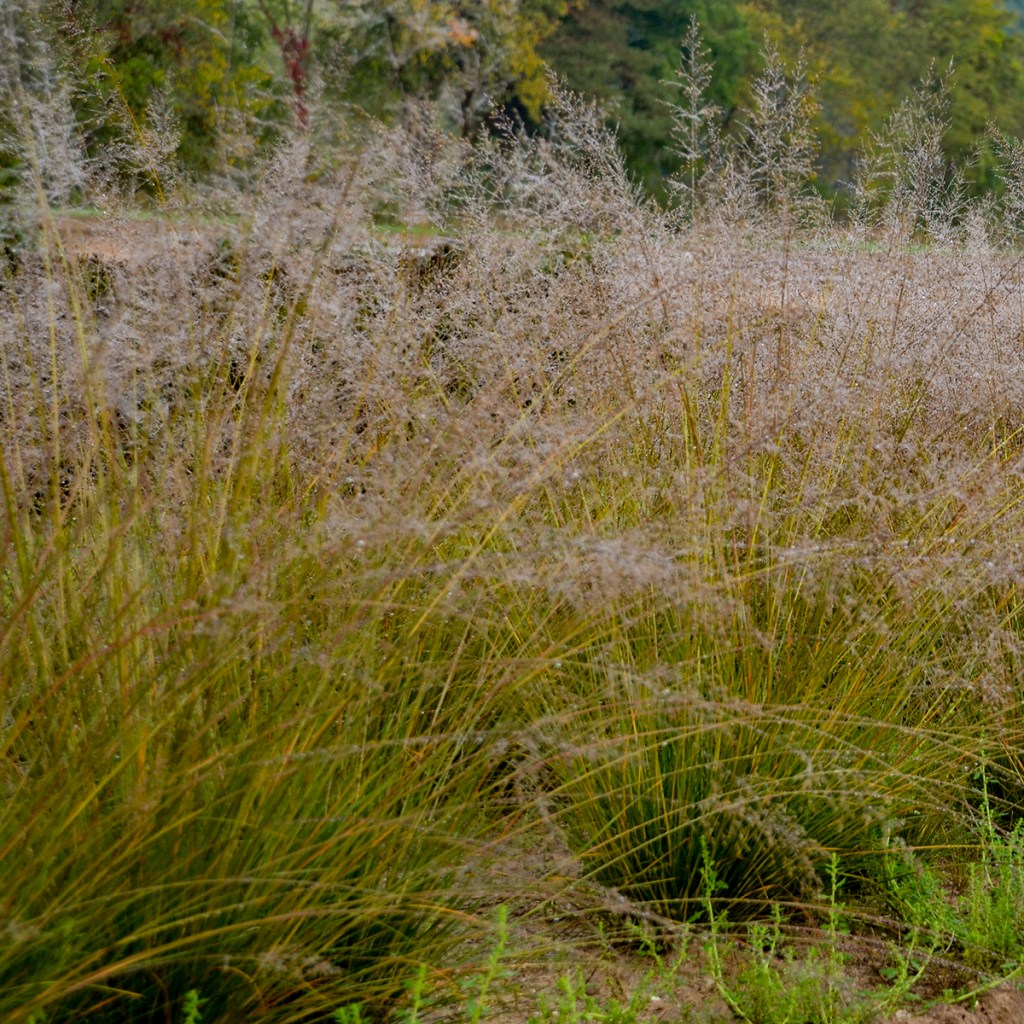
Prairie Dropseed (Sporobolus heterolepis) brings softness and texture to slopes and meadows.
Wildlife Benefits and Biodiversity
Native grasses create vital habitat for birds, pollinators, and beneficial insects. Their seed heads feed wildlife through fall and winter, while their structure provides cover for small animals year-round. Encouraging this biodiversity naturally reduces the need for pesticides and promotes long-term ecological balance.
Beauty That Evolves With the Seasons
While ornamental grasses may offer flash, native varieties deliver long-term elegance—from fresh green blades in spring to golden plumes and warm-toned foliage in fall. Their graceful movement adds life and texture to your landscape without feeling overdesigned.
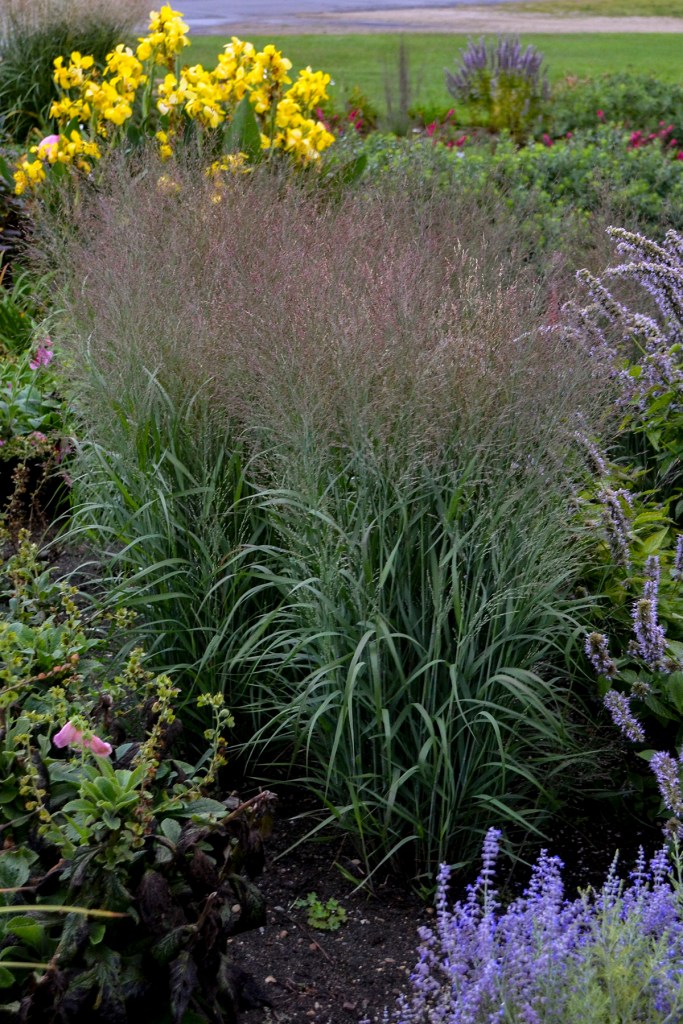
‘Apache Rose’ Switchgrass (Panicum virgatum) adds fall color and structural height to garden designs.
Why It Matters
Choosing native grasses for your property isn’t just smart landscaping—it’s a step toward a more regenerative, balanced environment. Whether you’re restoring a marsh edge or anchoring a backyard hill, native grasses work with nature to create spaces that are functional, enduring, and full of life.



 JMJ Gardens