Read more:
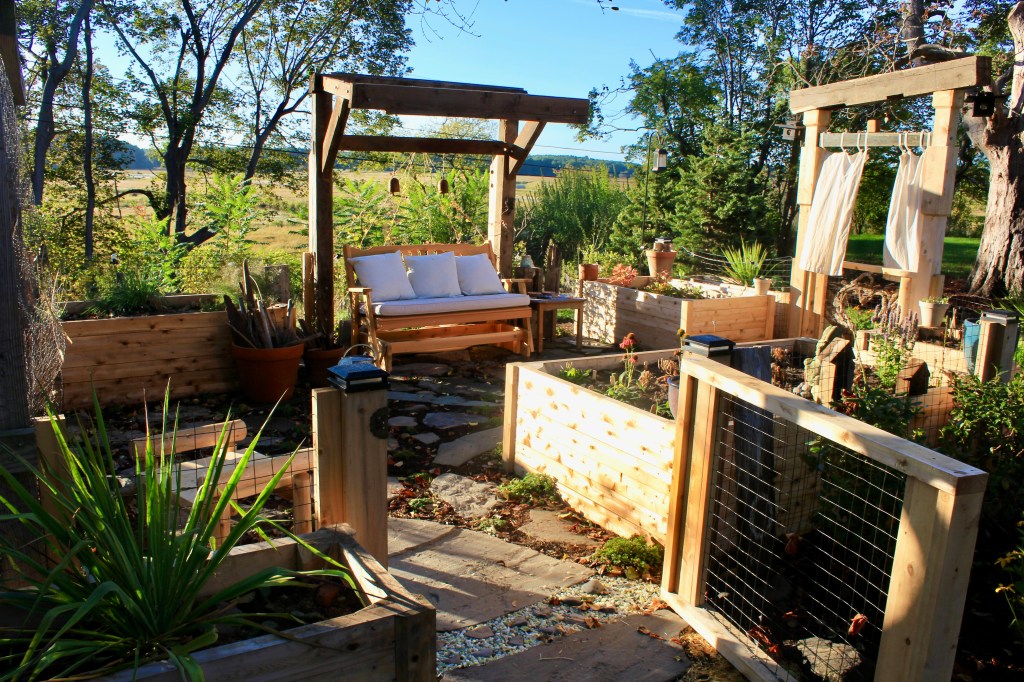
We design and build custom raised vegetable gardens that combine craftsmanship, function, and long-term usability. For this project, we created a potager-style garden with handcrafted wooden beds, custom fencing, and built-to-fit arbors that define the space while supporting climbing plants. The result is an organized, productive garden that is both visually elegant and designed for season-after-season use.
Read more:
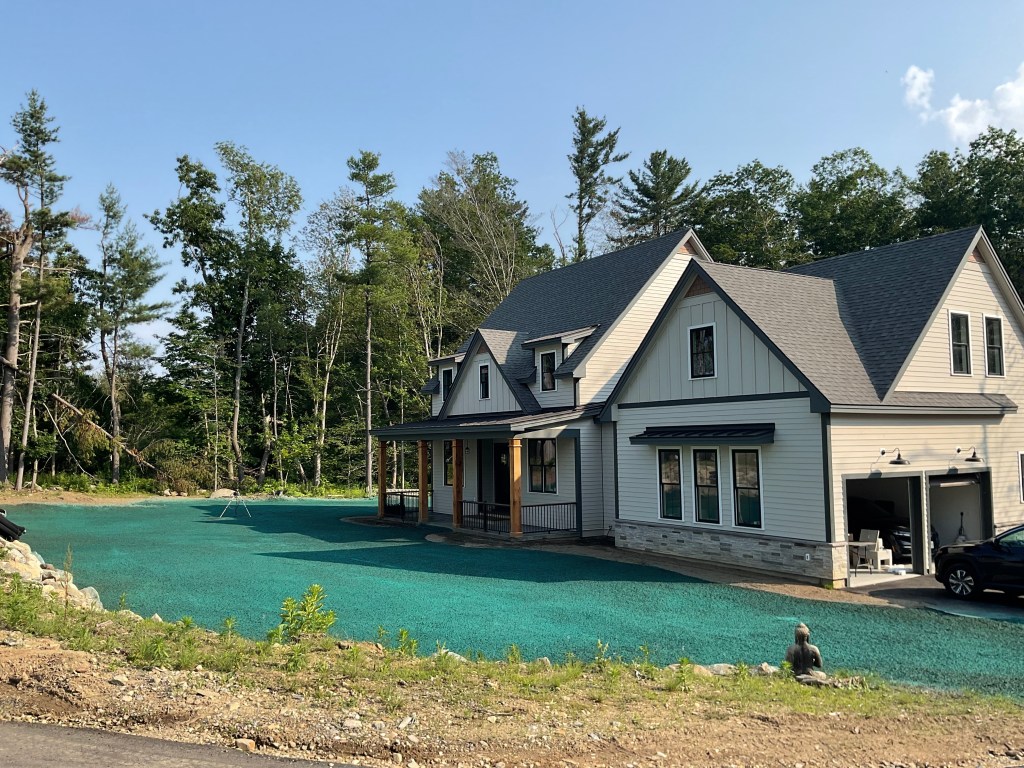
We provide full-service land excavation, grading, and lawn installation to restore properties from the ground up. For this project, we removed buried debris, unstable soil, and leftover materials from a previous contractor, then rebuilt the site with proper grading and a healthy soil base. The lawn was seeded with a native Maine grass blend chosen for its resilience, low environmental impact, and ability to support a healthier landscape over time.
Read more:
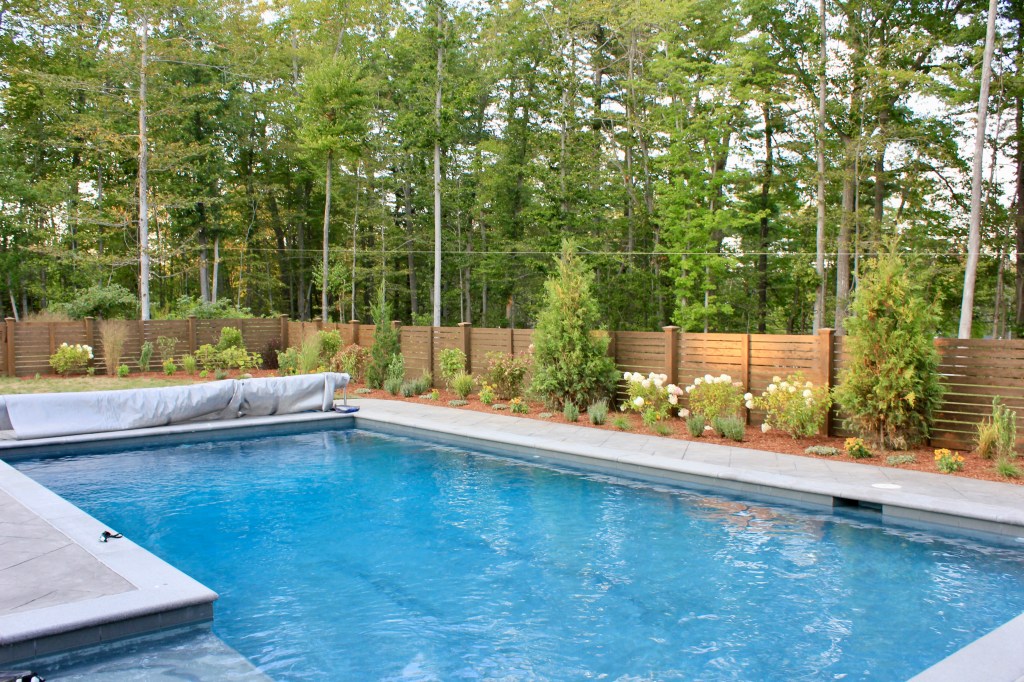
The pool became the heart of the home, surrounded by a landscape shaped for both beauty and function. Thoughtful placement of pathways, seating, and plantings guides movement and creates a natural rhythm throughout the space. Seasonal blooms and varied textures provide color, fragrance, and quiet moments of retreat. By summer, the client could fully enjoy the garden while also envisioning how the rest of the property might grow and evolve.
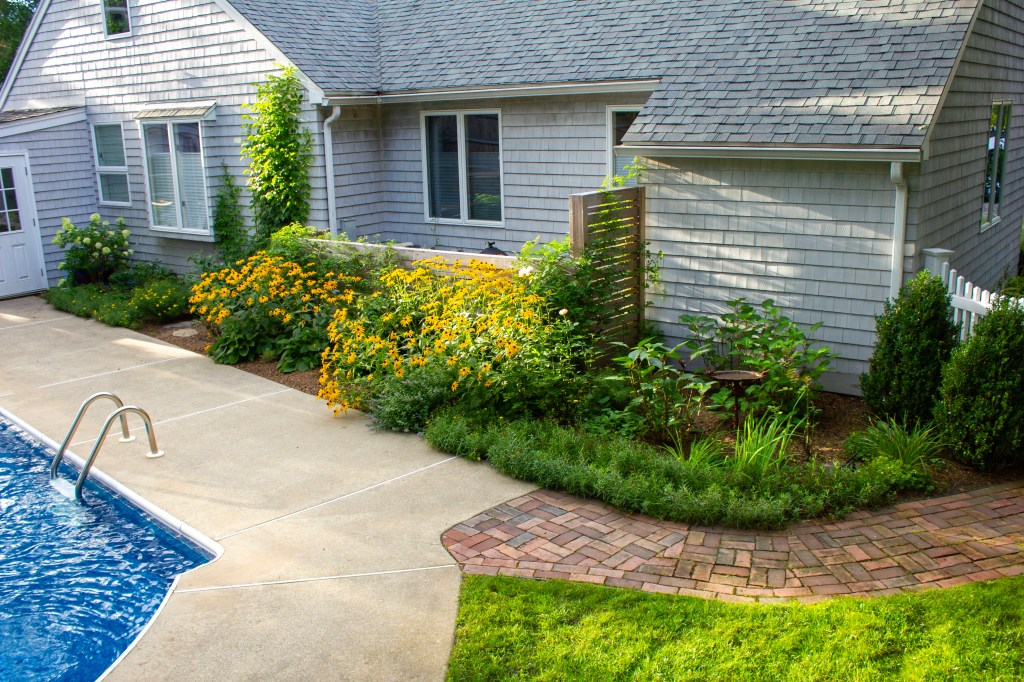
JMJ Gardens transformed a small Newburyport backyard into a functional and beautiful poolside retreat. From clearing overgrown shrubs and installing a hand-crafted cedar fence to regrading, planting, and ongoing care, every detail was designed to enhance both usability and visual appeal. The result is a lush, inviting garden that supports airflow, highlights architectural elements, and creates a compact but vibrant outdoor oasis.
Read more:
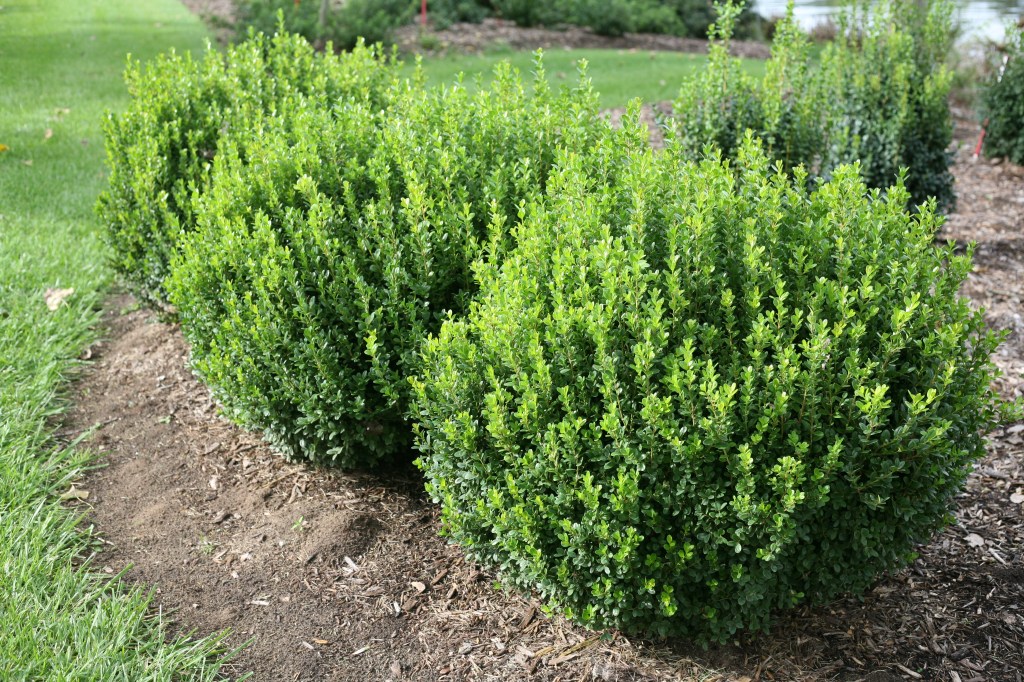
This post explains how organic spraying can protect boxwoods from common pests and diseases while supporting long-term plant health. It outlines natural treatment methods used in New England landscapes to reduce environmental impact, strengthen plant resilience, and maintain the structure and appearance of boxwoods without relying on harsh chemicals.
Read more:
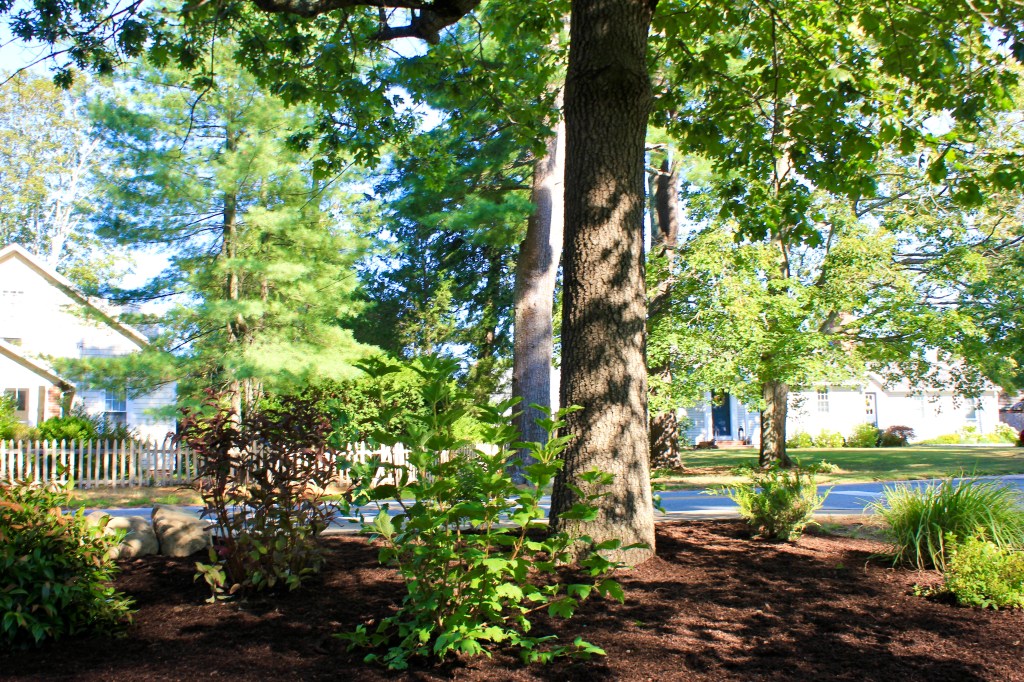
At a once-overlooked intersection in Newburyport, MA, a patch of crabgrass and tired soil has been transformed into a thriving volunteer garden. This story follows how JMJ Gardens partnered with the Newburyport Park Alliance to rebuild the land using native plants, organic practices, and locally sourced materials. What began as a small act of service has grown into a welcoming gateway on the road to Maudslay State Park, a reminder of what thoughtful landscaping can give back to a community.
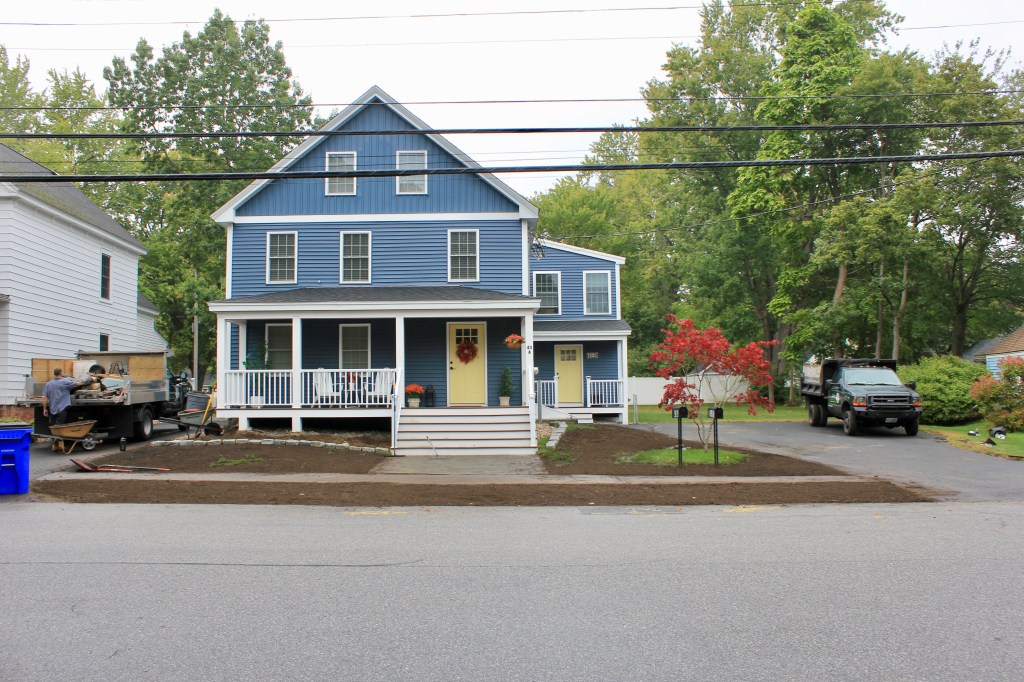
When a mature tree left the front yard uneven and the soil sandy, JMJ Gardens transformed the Exeter property with expert excavation, regrading, and drainage solutions. Every step, from removing poor-quality material to installing stone-filled channels and cobblestone borders, was designed to protect the home and restore balance to the landscape. The project was completed with a native grass seed blend, creating a low-maintenance, resilient yard that supports pollinators, local wildlife, and healthy growth for years to come.
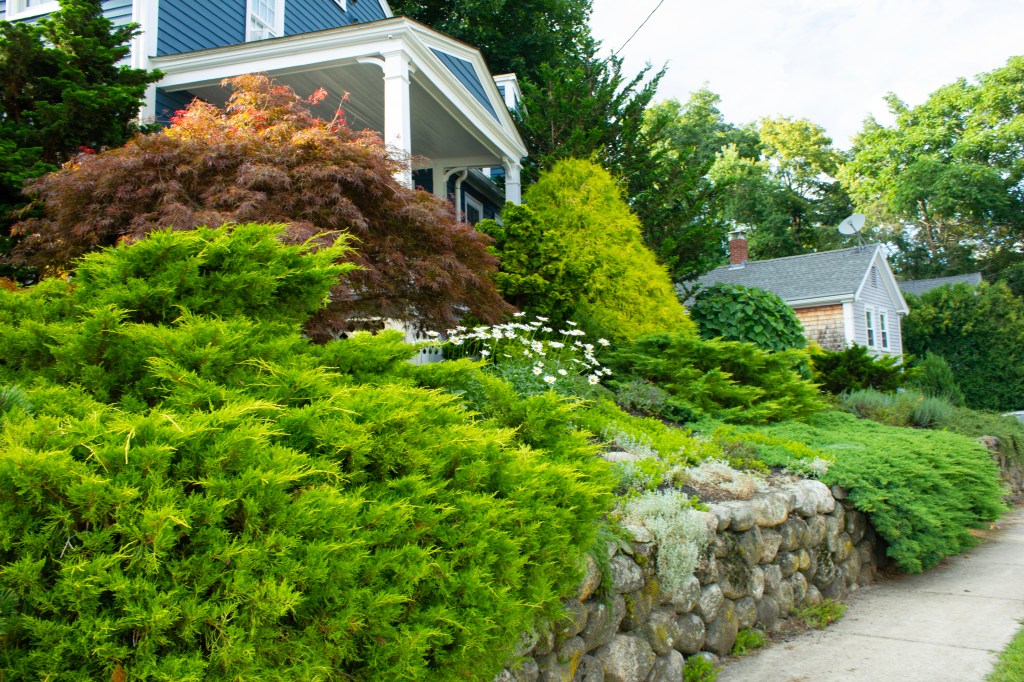
Holly, rhododendrons, azaleas, and boxwoods are especially vulnerable to insects and fungal diseases in early spring throughout New England. These issues can weaken shrubs just as new growth begins to emerge. This guide explains the most common spring threats, when to treat them, and how to properly use horticultural oils and preventive fungicides to protect ornamental shrubs and support long-term plant health.
Read more:
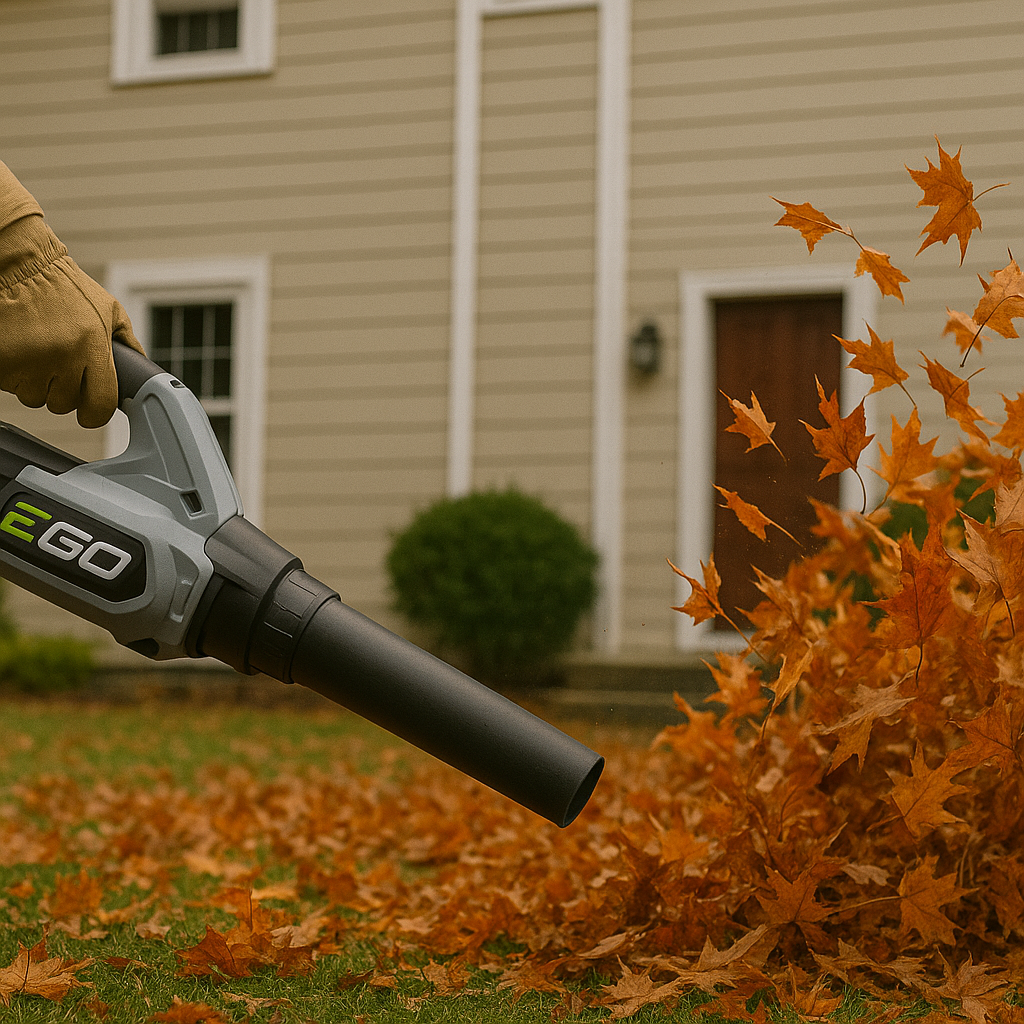
Fall cleanups play a critical role in protecting lawns, gardens, and hardscapes before winter arrives. This post explains why timely leaf and debris removal matters, and how battery-powered equipment allows for quieter, cleaner, and more precise seasonal maintenance. Learn what to expect from a professional fall cleanup and why eco-conscious practices make a difference for Newburyport homeowners.

Read more:
A thriving pollinator garden starts with thoughtful plant selection and layered design. This post breaks down how native flowers and grasses work together to provide nectar, habitat, and seasonal interest while supporting bees, butterflies, and other beneficial insects. Learn how small design choices can create a resilient, low-maintenance garden that benefits both wildlife and the landscape.
Read more:
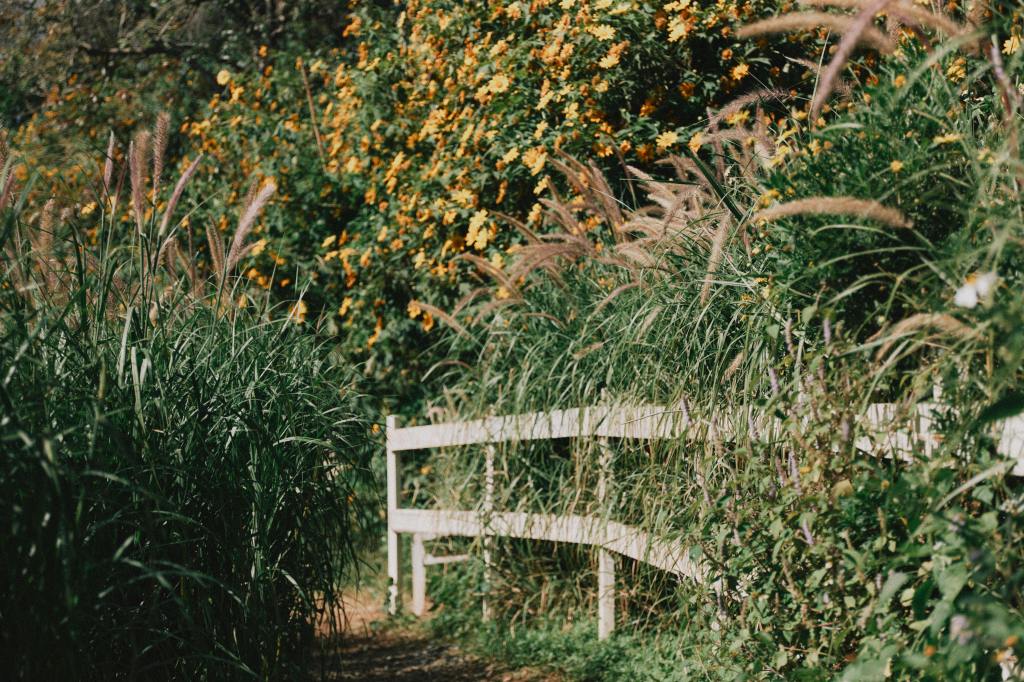
This post explores why native grasses are an ideal solution for stabilizing slopes and wet areas across New England. It explains how deep root systems help prevent erosion, manage runoff, and support local ecosystems while requiring minimal long-term maintenance. From switchgrass to prairie dropseed, native grasses offer a resilient, sustainable way to create landscapes that are both functional and naturally beautiful over time.



 JMJ Gardens