Defending Your Garden, Naturally: Organic Spraying for Boxwoods and Beyond in New England
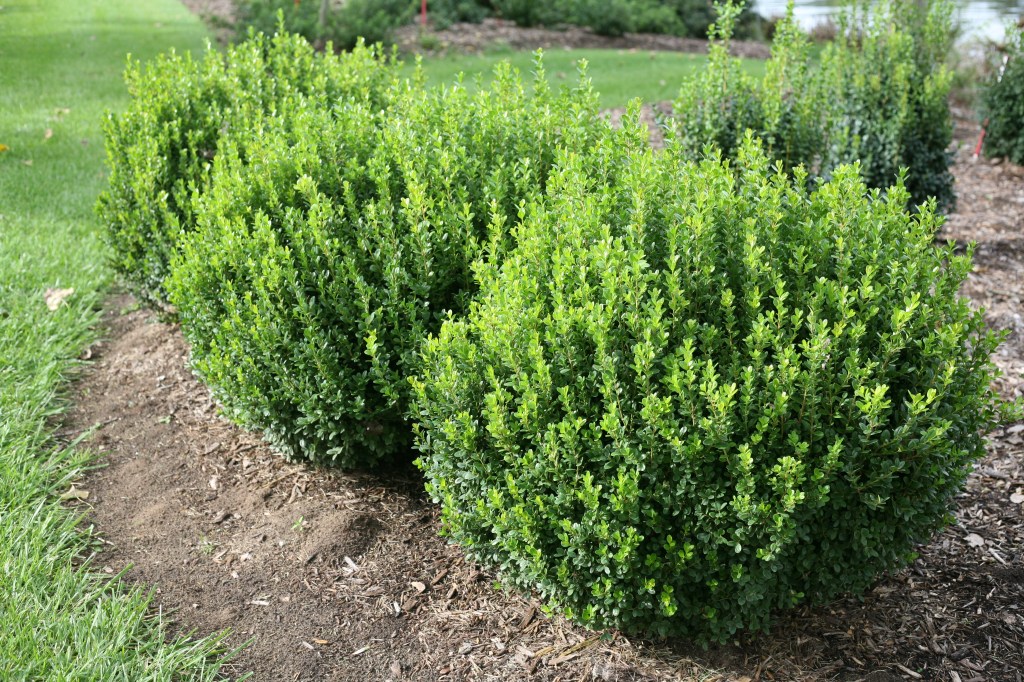
Boxwood shrubs have long been a cornerstone of classic New England gardens, admired for their structure, evergreen foliage, and year-round interest. But in recent years, these iconic plants have faced increasing threats—from boxwood blight to leafminer infestations and winter burn. To preserve the health and longevity of boxwoods, as well as other ornamentals at risk, gardeners and professionals alike are turning toward more sustainable care methods—starting with organic spraying.
Organic spraying is not just a trend; it’s a science-backed, environmentally conscious approach to plant health. Rather than relying on synthetic chemicals, organic treatments use naturally derived oils, microbial-based formulas, and plant-safe insecticides to deter pests and suppress disease. These treatments target specific pathogens and insects without disturbing the delicate balance of the surrounding ecosystem—especially important in gardens that support pollinators and wildlife.
In the case of boxwoods, timely and repeated applications of organic treatments can help manage leafminer and mite populations while reducing the risk of fungal issues. Paired with proper pruning and plant spacing for air circulation, spraying becomes part of a holistic care strategy that improves overall plant resilience.
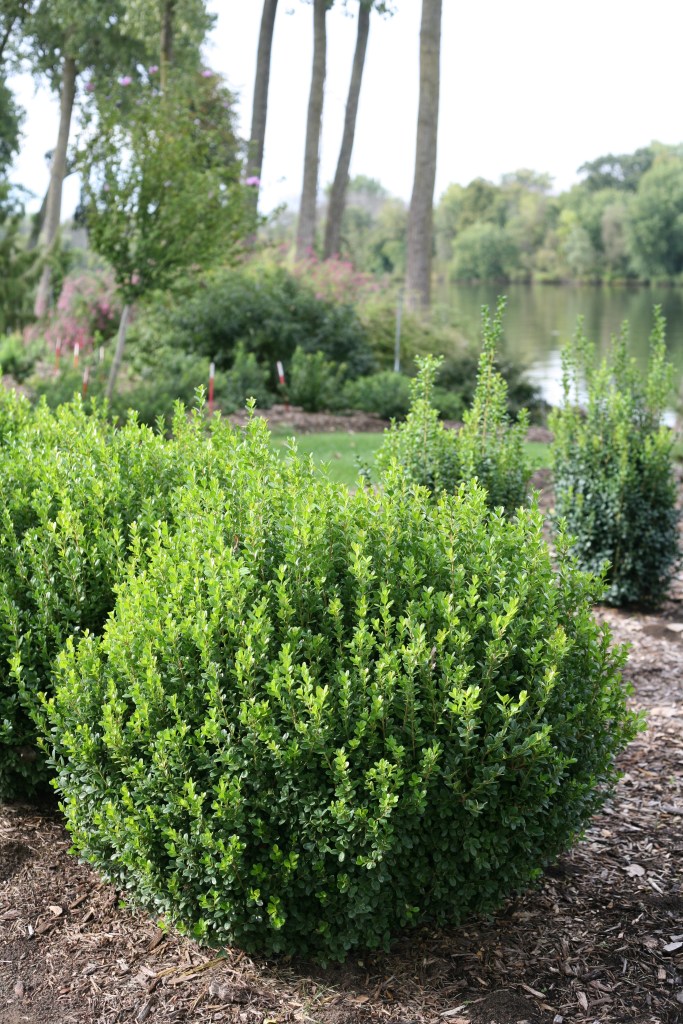
Sprinter Boxwood (Buxus microphylla ‘Bulthouse’) offers a refined look for structured hedges or softly rounded plantings.
Boxwood Blight
Boxwood blight is a destructive fungal disease that begins with dark spots on leaves, quickly progressing to black stem lesions and widespread defoliation. Once established, it can spread rapidly through plantings and neighboring landscapes. Meanwhile, the boxwood leafminer—a small fly—lays its eggs inside the leaves; the larvae feed from within, causing blistering and yellowing that weakens the shrub over time. Both threats are common in New England and require a thoughtful, proactive approach.
Organic fungicides such as those containing copper or potassium bicarbonate can be used to help prevent blight, especially when applied in early spring before symptoms emerge, and again in mid to late summer during humid conditions. For leafminer, targeted insecticidal sprays made from natural ingredients like azadirachtin (a neem-based compound) are most effective when timed just after adult emergence, typically in late spring when the boxwoods begin to flush with new growth. Combining these treatments with regular pruning, sanitation of fallen debris, and proper air circulation around plants can greatly reduce vulnerability. With the right care and timing, it’s possible to preserve the health and structure of these cornerstone landscape shrubs without resorting to harsh chemicals.
Boxwood Psyllids
In early spring, you may notice new growth curling or cupping inward. This is often the result of psyllid nymphs feeding on the tender shoots. While adult psyllids emerge later in the season, their impact is minimal beyond egg-laying. Since these insects produce only one generation annually, physical removal through selective pruning is typically sufficient. Insecticides are rarely necessary unless the infestation is extensive.
Boxwood Leafminers
These tiny pests live inside the leaves, creating pale, blister-like spots that may eventually cause foliage to yellow and drop. If you notice signs of damage, prune affected branches and dispose of them off-site to prevent further spread. Organic treatments are generally reserved for more severe infestations and should be timed to intercept the larval stage, typically mid-to-late spring.
Mites
Boxwood and spider mites leave behind a telltale stippling—small, faded specks across the leaves. In heavy infestations, leaves may yellow or die. A strong spray of water can dislodge mites naturally; this should be done in dry weather to prevent fungal issues. Avoid broad-spectrum miticides, which can disrupt beneficial insect populations. In early spring, horticultural oils can help reduce overwintered eggs if previous seasons were problematic.
Nematodes
Root-feeding nematodes are microscopic but can cause significant stress, mimicking disease symptoms like yellowing, stunted growth, or dieback. Since these pests live underground, the best management is to strengthen the plant itself. Encourage resilience through appropriate pruning, deep watering, and soil amendments based on test results. Chemical nematicides are discouraged due to their broad-spectrum effects.
Environmental Stress Factors
Watering extremes—too much or too little—can both harm boxwoods. Drought is especially dangerous for new plantings, while overwatering may lead to root rot. Young shrubs should receive consistent moisture, roughly one inch per week.
Salt exposure, often from winter de-icing, can also be damaging. Leaves may brown or die back in spring if the plant absorbed salt through the soil or had direct contact with treated surfaces.
Winter injury, particularly in exposed areas, tends to show up as bronzing or dieback on the upper portions of the plant. Prune back dead material in early spring, and try to site boxwoods where they’re shielded from harsh winds. Avoid late-season fertilizing, which can encourage fragile new growth before winter sets in.
The benefits extend beyond just one species. Viburnums, hydrangeas, and even young trees can benefit from regular, preventative organic treatments—especially in a region like New England, where the growing season is short, and environmental stressors can be intense.
Protecting your landscape doesn’t have to mean compromising your values. With the right organic solutions, it’s possible to nurture a healthy garden that is both beautiful and safe—for children, pets, pollinators, and the planet.

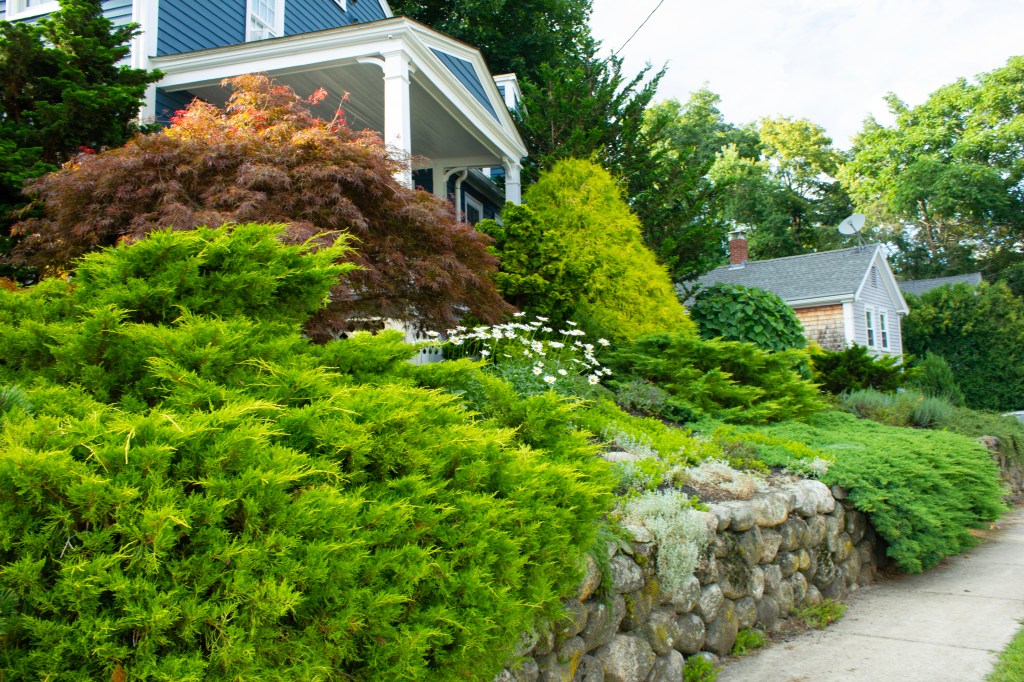




 JMJ Gardens